
Hidden Damage: Garden Route Residents Urged to Prioritise Diabetic Eye Health
Garden Route News reveals how diabetes silently threatens eyesight. Learn why regular eye tests are vital for residents, second-home owners, and visitors to…
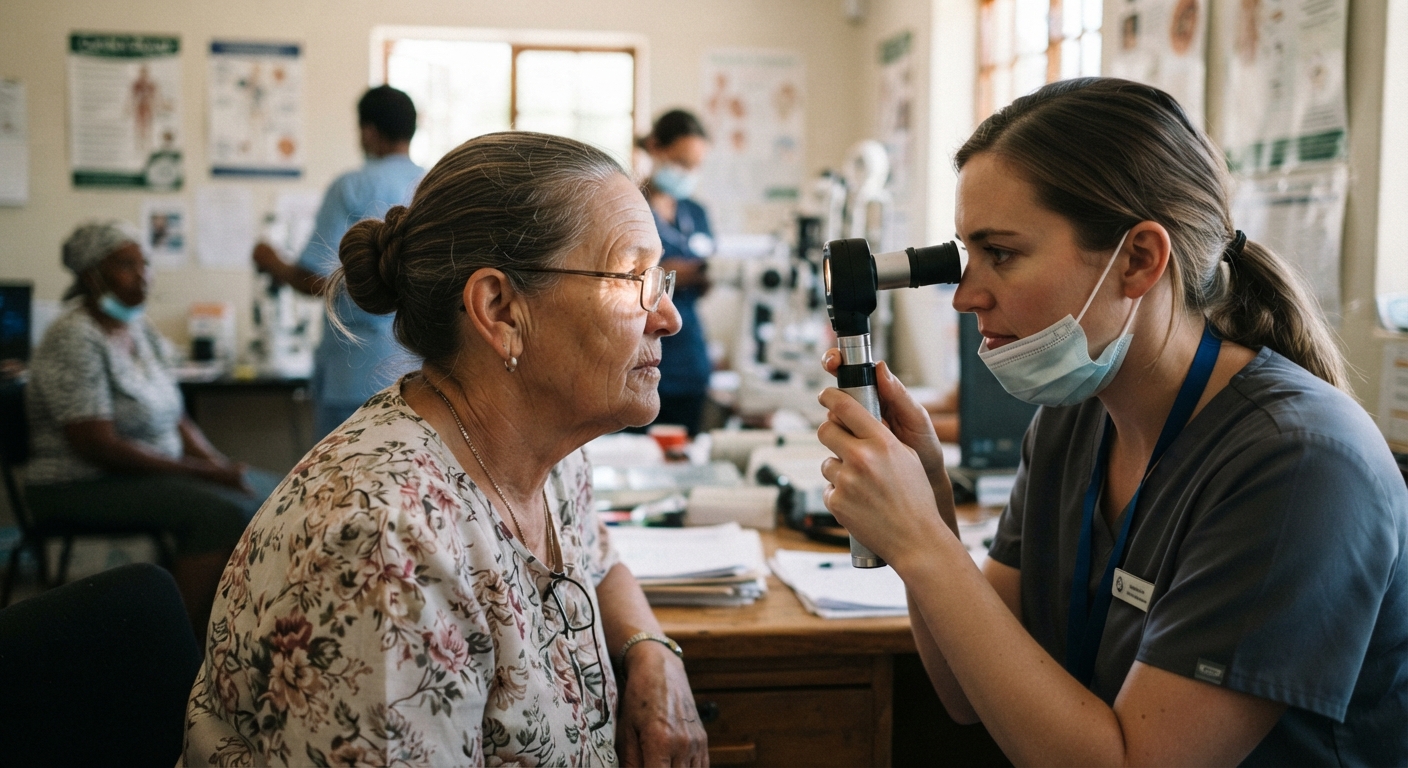
The breathtaking vistas of the Garden Route — from the azure coastline to the verdant forests — are treasures best enjoyed with clear vision. Yet, for many in our community, a silent health threat looms, capable of slowly stealing this precious gift: diabetes. Often without noticeable symptoms until significant damage has occurred, diabetes can lead to severe vision impairment and even blindness if left unchecked.
The Silent Thief: How Diabetes Affects Your Eyes
Diabetes is a chronic condition that affects how the body processes blood sugar. Over time, persistently high blood sugar levels can damage blood vessels throughout the body, including the delicate vessels that supply the retina at the back of the eye. This condition is known as diabetic retinopathy, a leading cause of preventable blindness in adults. Early stages may show no symptoms, but as it progresses, these vessels can swell, leak fluid, or even close off entirely, disrupting vision. In more advanced stages, new, abnormal blood vessels can grow on the retina’s surface, which are fragile and prone to bleeding, leading to scar tissue and retinal detachment. Other diabetic eye complications include macular edema, cataracts, and glaucoma.
Early Detection is Your Best Defense
The insidious nature of diabetic eye disease is its greatest danger. Many individuals with early or moderate diabetic retinopathy experience no changes in their vision. They might feel perfectly fine, unaware that irreversible damage is taking place. By the time symptoms like blurred vision, floaters, dark spots, or difficulty seeing at night become apparent, the condition is often advanced, making treatment more challenging and limiting the potential for full recovery of sight. This underscores the critical importance of regular, comprehensive eye examinations, especially for anyone diagnosed with diabetes.
Proactive Care for Clearer Horizons
An annual dilated eye exam is the cornerstone of diabetic eye health. During this examination, an optometrist or ophthalmologist can detect subtle changes in the retina and optic nerve that indicate diabetic damage, often long before you notice any symptoms. Early detection allows for timely intervention, which can significantly slow or prevent vision loss. Treatments, depending on the severity, can include laser therapy, injections, or surgery. Beyond regular checks, managing blood sugar levels, controlling blood pressure, and maintaining a healthy lifestyle are paramount in protecting your eyesight from the ravages of diabetes.
The Garden Route, Western Cape Angle
For residents, second-home owners, and visitors to the Garden Route, maintaining optimal vision isn't just about general health; it's fundamental to embracing the very essence of our region. Imagine not being able to fully appreciate a walk through the Knysna forest, navigate the challenging fairways of a George golf course, or gaze upon the iconic vistas from Robberg Nature Reserve. Our lifestyle here is intrinsically linked to outdoor activities and the enjoyment of natural beauty. Proactive eye care ensures that you can continue to immerse yourself in the vibrant culture and stunning landscapes of the Western Cape without limitation. With readily available healthcare facilities across the Garden Route, there's no reason to delay regular check-ups that safeguard your vision and enhance your quality of life.
Source: Google News: Knysna news
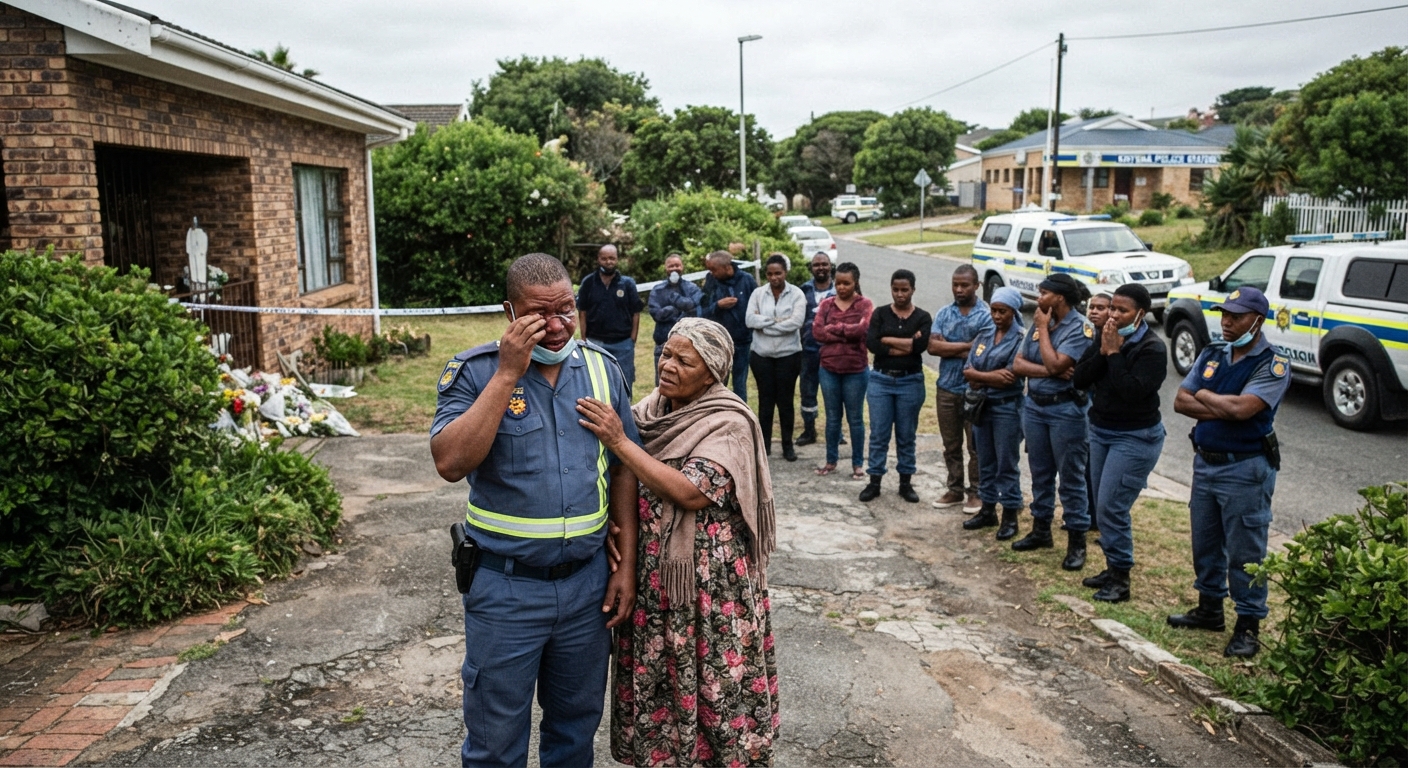
Knysna Community Rocked by Sudden Deaths of Beloved Sergeant and Spouse
Profound sadness grips Toekomsrus, Knysna, after the sudden deaths of a police sergeant and his wife. Garden Route News reports on the community's grief and…
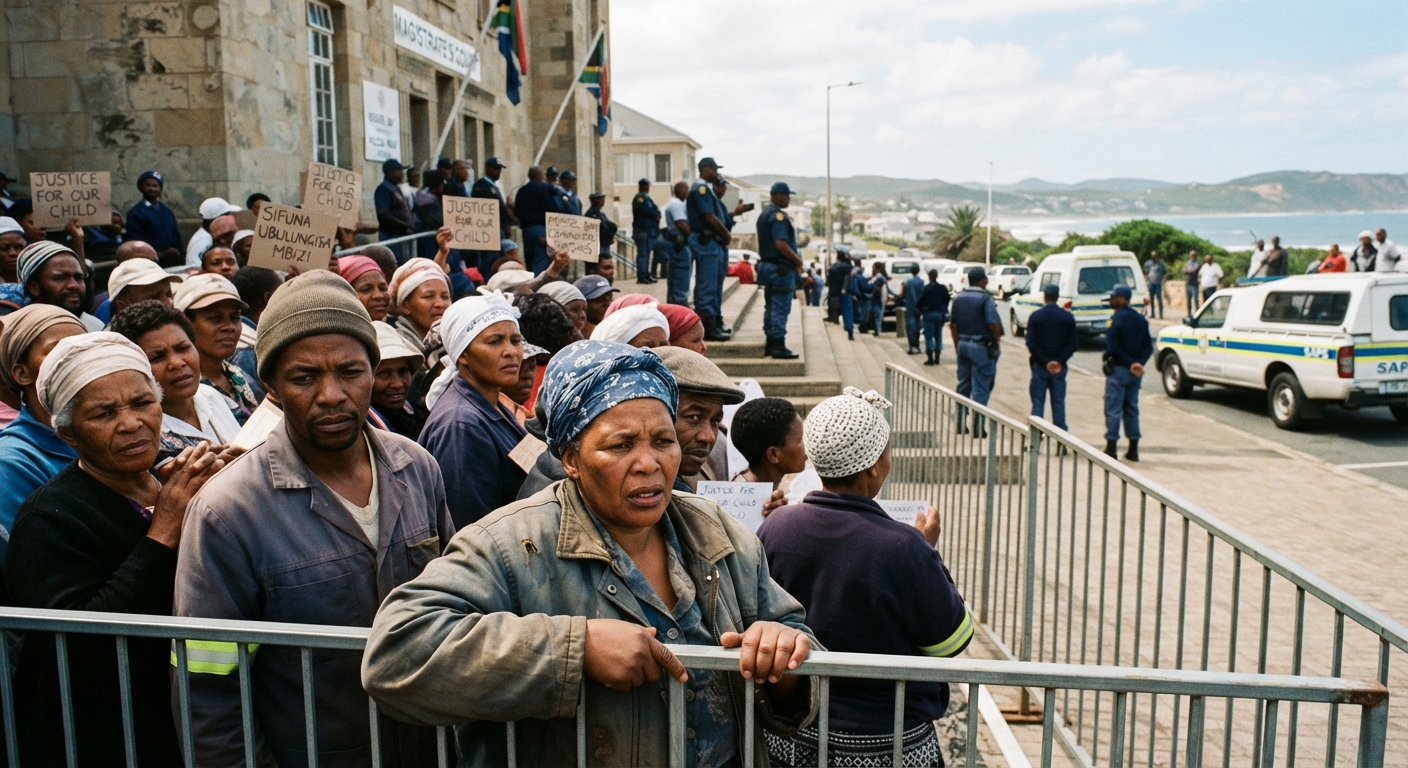
Justice Beckons: Mossel Bay Community Watches as Tragic Case Heads to Trial
The Garden Route community of Mossel Bay awaits justice as a plea and trial date are set for a man accused of a devastating 2024 murder. Read more on this…
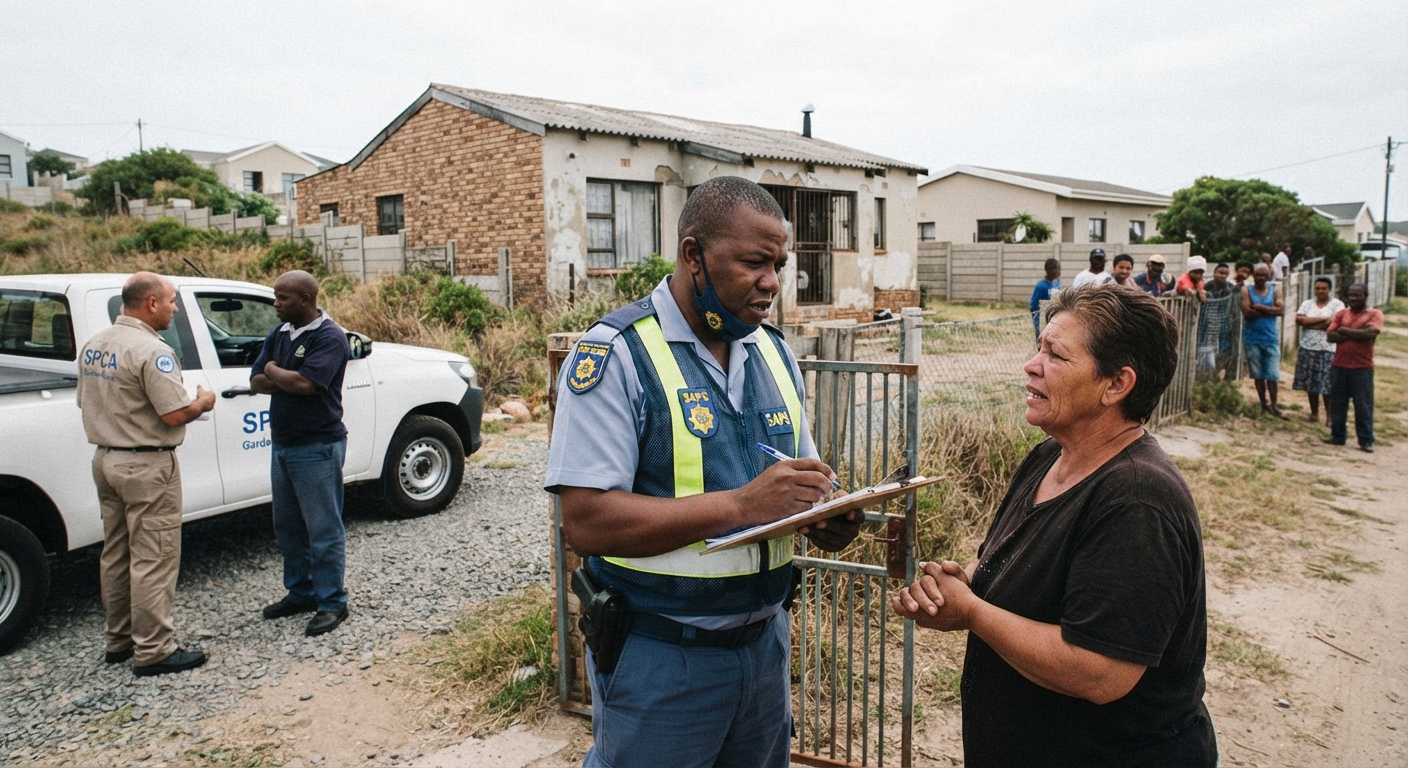
Shocking Animal Cruelty Charges Rock Mossel Bay
A man faces bestiality charges in Mossel Bay, sparking deep concern across the Garden Route. Learn about the case, community impact, and animal welfare…
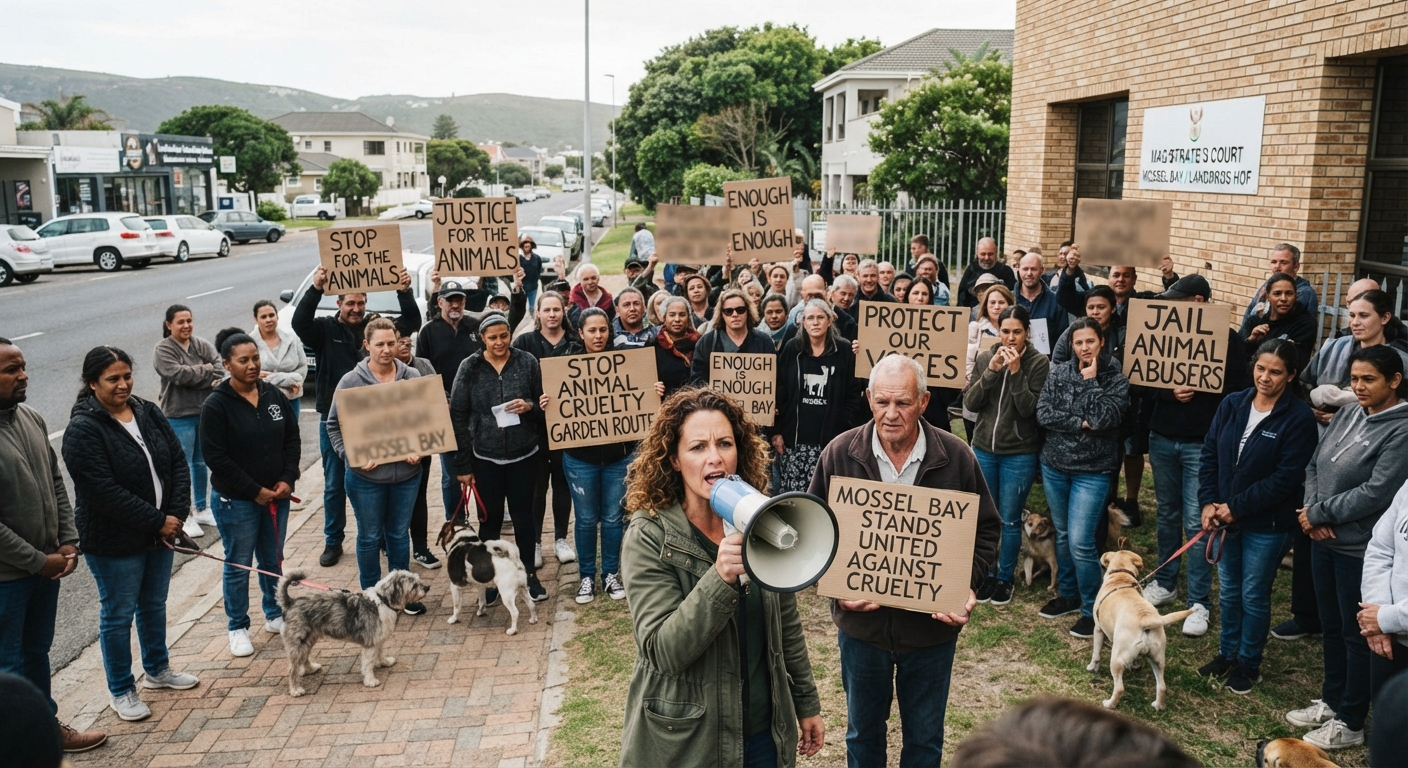
Garden Route Community Rallies for Justice After Second Animal Cruelty Charge in Mossel Bay
A second animal cruelty charge in Mossel Bay has ignited outrage across the Garden Route. Learn about the ongoing court case and community efforts to protect…

Global Microsoft Glitch Sends Local Ripples Through Garden Route's Digital Life
A widespread Microsoft outage creates ripple effects across the Garden Route, affecting local businesses, remote workers, and property owners. Learn about the…
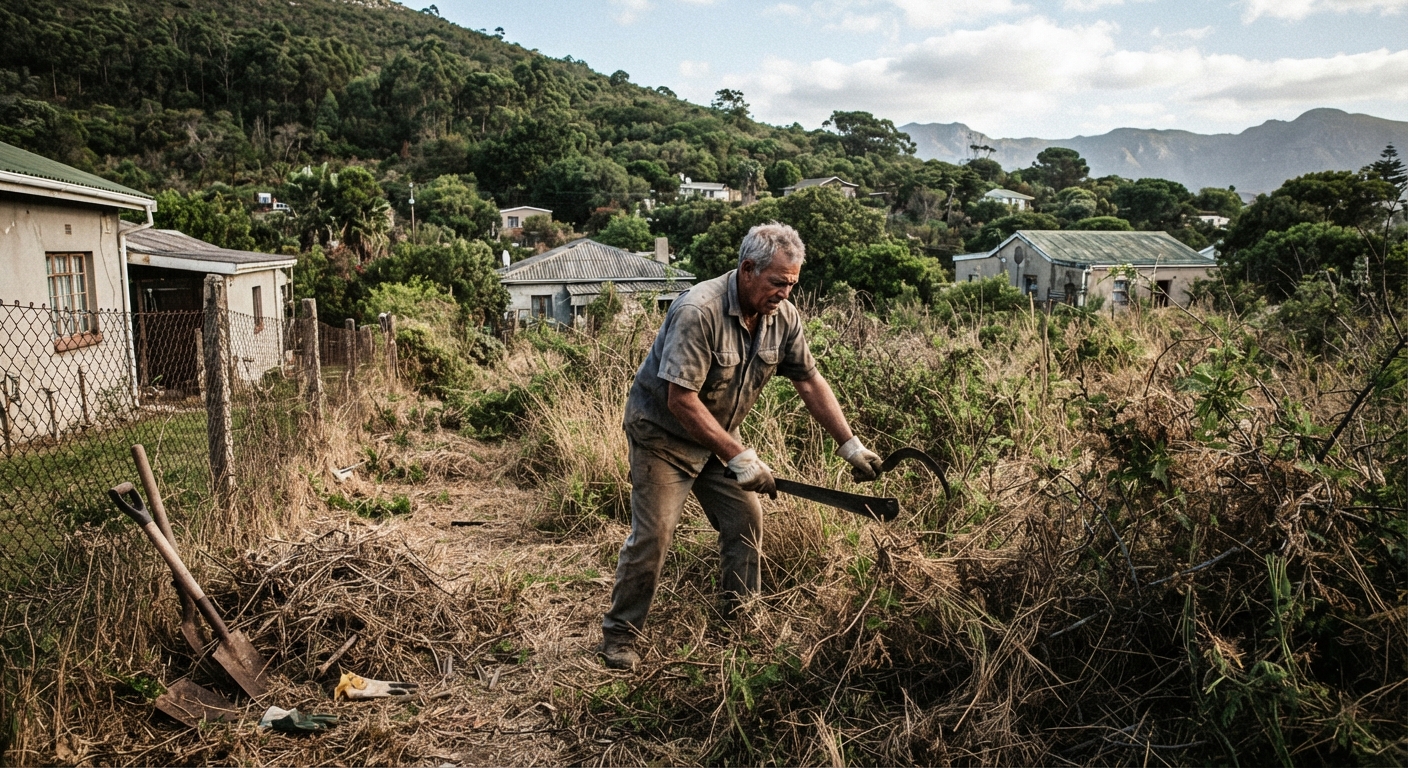
Knysna's Overgrowth Crisis: Residents Battle Snakes, Fire Risks, and Municipal Neglect
Knysna residents face an annual struggle with overgrown public spaces, raising concerns about snake encounters, fire hazards, and declining property values.…

Plett's Global Table: Local Flavours Charm Swiss Palates
Discover how former Plettenberg Bay chef Anja Heller is captivating Switzerland with authentic Garden Route flavours, elevating our region's global culinary…